|
2009 OPSO Media Awards – results and photos
To view or download The OPSO Times in PDF format click here.
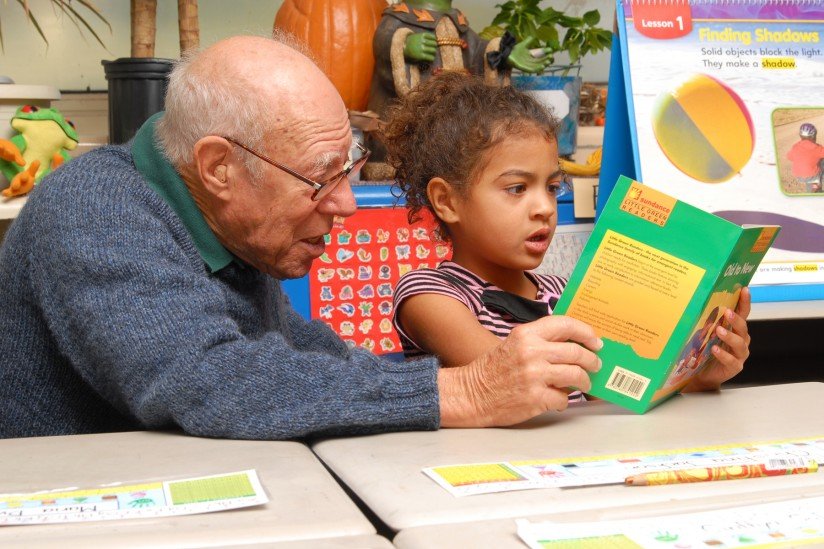
OPSO – our raison d’etre By Val French AM, President, OPSO WE ARE COLLECTORS ... and we are fighters. We collect ideas and people with ideas. Where do we find these people? The answer is anywhere ... anywhere there is a need, anywhere there is something to fix. The latest research shows that although the part of the brain that remembers names deteriorates, another section that draws upon our experiences develops to give us ideas and answers. So OPSO uses this wisdom. We find answers. Then we ask the media for help. We would be nowhere without them. We are also fighters because experience has shown us that unless we seniors get together and take action we can easily be ignored. This is not a world that takes kindly to ageing. You need to be strong to survive. If you are not, it is easy to become a victim of society’s negative attitudes ... and suffer from elder abuse, become socially isolated and develop the emotional, mental and physical problems that lead to poor health, anxiety and depression. So OPSO introduces new and better ways of ensuring positive ageing. To do this we work as part of the Seniors Sector Roundtable; we work with key politicians and public servants. We give lectures at the Police Academy and worked with the police to produce the booklet Safe and Confident Living, and also a police training video. We give classes to seniors on working with the media, on making effective complaints, and on creative writing. We have successfully introduced our OPSO Granfriends – seniors teaching a range of skills to primary school children. We have just completed our 2009 trial of volunteers helping hospital patients at mealtime. We are introducing innovative ways to reduce the number of seniors who will need to go into nursing homes and at the same time give a better quality of life to all seniors. We are on numerous advisory committees on transport, housing, health, elder abuse, promulgating information, grandparents bringing up children or denied access, aged pensions, carers, seniors’ employment and preparing for retirement. To do this we work with journalists and value the friendship of politicians and public servants, because they are the catalysts for change. So, when in 2010 you see an OPSO email – and you will – it could be just that idea for change that will make a difference. |
|
Small rural hospitals undervalued The majority of patients admitted to hospital do not require the level of technology and the complexity of investigation and treatment available. These patients could be and sometimes are treated in low technology hospitals for about 50% the cost. These hospitals can be more convenience for the patient and their visitors and involve both in less expense because they are closer and involve less transport and dislocation. I have worked as a GP in small rural hospitals for more than 30 years and am well aware of the possible benefits. I am aware that the Area Health Services in general, do not appreciate the potential for more economical care and greater patient satisfaction by encouraging and expanding the small rural hospitals. The same principle could be applied to urban hospitals I am also aware that very little research has been done in this regard, except for the maternity services in Queensland. Canada has done more research than Australia. The results support the views expressed. In the past 10 years I treated 6 patients with ruptured aortic aneurysm in a small rural hospital. They all survived in spite of the textbook survival rate in rural areas being only one patient in six. This figures are not reported to or by the Area Health Service. — D. Stewart M.Sc. M.B.,FACRRM. |

|
OPSO extends thanks to all our SPONSORS:
* The Department of Health and Ageing is not responsible for any recommendations, ideas or opinions on this website. It does not accept liability for any loss
damage, cost or expense that arises out of or in connection with use or reliance on anything contained in this website. |